If you have ever laid your baby down for a nap on a warm afternoon and come back to a red, sweaty little back stuck to the sheet, you already know the problem. Singapore does not really have seasons — it has hot and hotter — and with another heatwave settling in, a lot of parents are asking us the same thing: "The fan is already on. What else can I do?"
Here is the honest answer a fan alone cannot give you. A fan moves air around the room, but it does very little for the one place that matters most — the surface your baby is actually lying or sitting on. Body heat has nowhere to go, so it builds up at every contact point: the back, the neck, the back of the thighs in a stroller or car seat. That is where a cooling mat earns its place.
How a baby cooling mat actually works (and what it won't do)
Most baby cooling mats are filled with a food-grade cooling gel that stays cool at room temperature and draws heat away from wherever your baby touches it — no electricity, no refrigeration, no wires near the cot. Lie baby down and the gel absorbs the contact heat instead of letting it pool against the skin.
What a cooling mat is not is an air-conditioner. It will not chill a room. What it does — very well — is take the sticky edge off, stop that sweaty-back feeling, and help babies who are prone to heat rash and prickly heat settle and stay asleep. Used together with a fan and good ventilation, it is one of the simplest ways to keep a little one comfortable through a hot Singapore night or a stroller ride to the market.
The three we actually recommend
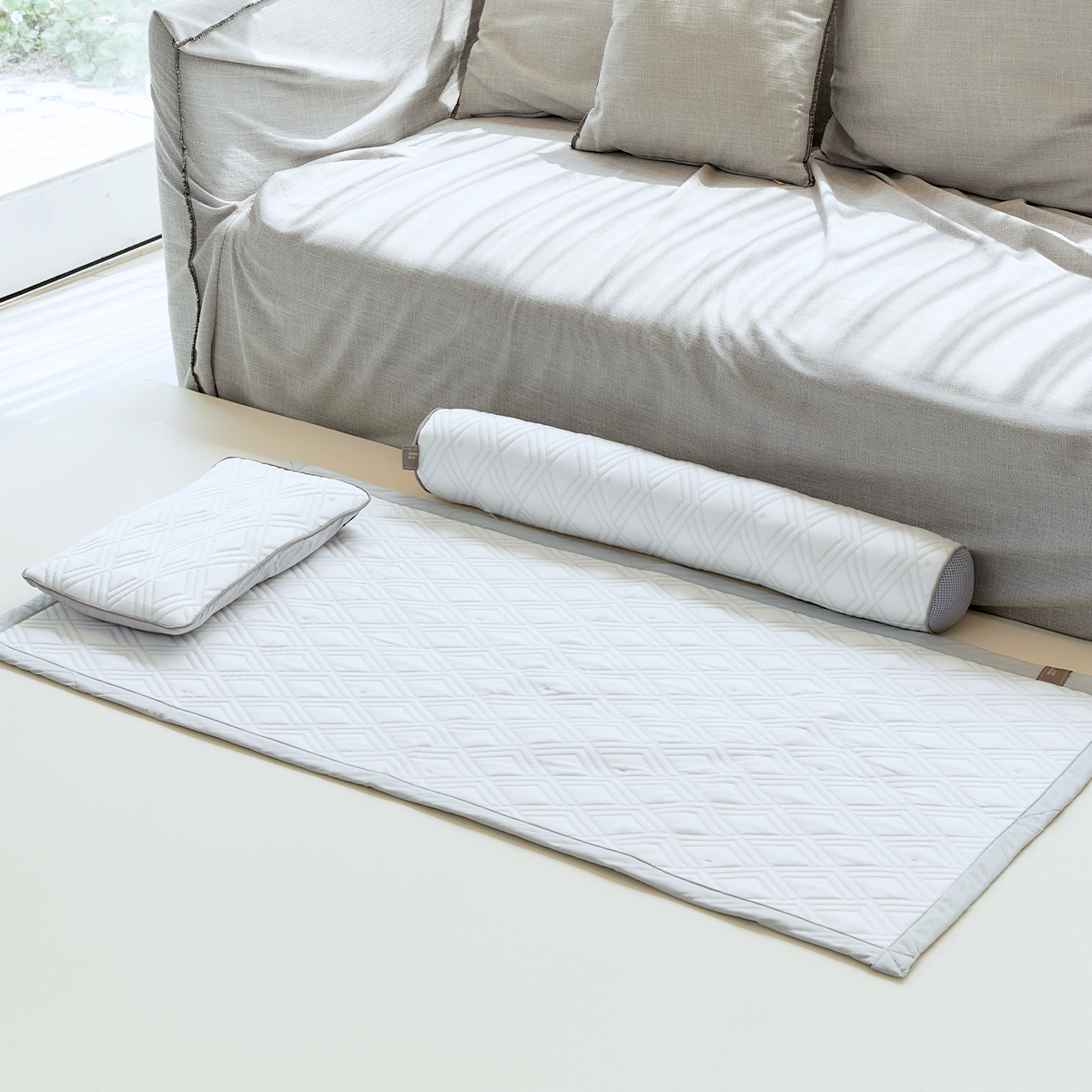
1. Designskin Baby Cooling Mat — S$61 (usual S$99)

This is the one we point most parents to first. Korean-made by Designskin, it uses a soft, food-grade cooling gel and a generous size that works just about anywhere baby lands — in the cot, on the playmat, across a stroller seat, or on the floor during tummy time. It wipes clean in seconds (a real consideration with babies) and there is nothing to plug in or charge. At its current price it is an easy yes.
Designskin also make a small cooling range if you want to match it up: a Cooling Pillow (S$39) and Cooling Body Pillow (S$49) for older babies, and the reversible Cooling Nap Pad (S$159) that folds up into a portable, double-sided nap bed for grandma's place or the in-laws'.
2. Daiichi Air Pocket 4 Reversible Cooling Seat Liner — S$149
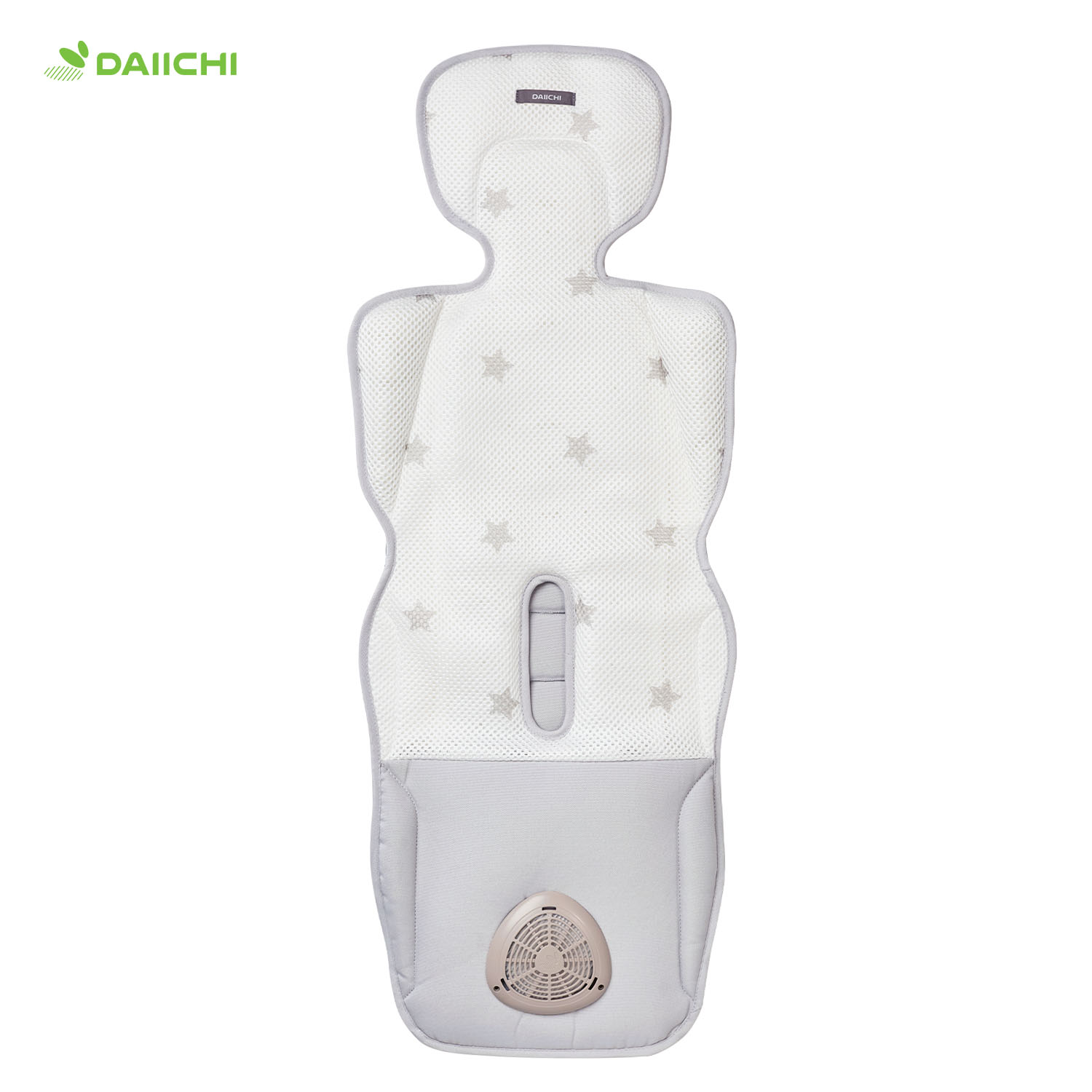
The sweatiest spot on any baby is the back they press into a stroller or car seat. The Daiichi Air Pocket 4 is built exactly for that: a 3D air-mesh structure lifts baby's back a few millimetres off the seat so air can move behind it, and one side is a dedicated cooling surface (flip it over to the cosier side when the weather finally cools). It is made in Korea, fits most strollers and car seats, and is the fix for the "why is my baby's back always damp?" complaint. Prefer the original? The Air Pocket 3 (around S$135) does the same job.
3. Poled AirLuv Refreshing Air Wind Seat Liner — S$79 (usual S$119)
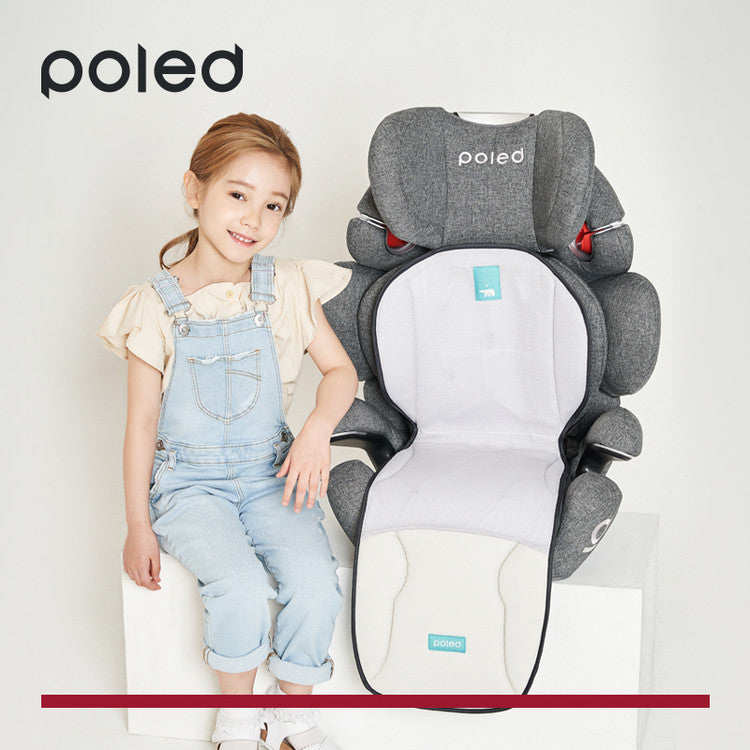
This is the active option — for the parent who wants real airflow, not just a passive gel. The AirLuv has a built-in, USB-rechargeable fan that gently pushes air through the breathable mesh and against baby's back while they sit in the stroller or car seat. On a still, humid day when the outside air is not moving, it is the closest thing to a personal breeze for your baby. Charge it, clip it in, and go.
Which one is right for you?
- For naps, the cot and the playmat → Designskin Baby Cooling Mat. The all-rounder.
- For a sweaty back in the stroller or car seat (no charging) → Daiichi Air Pocket cooling liner.
- For active airflow on the go → Poled AirLuv, when you want a fan right where baby touches the seat.
Plenty of parents use two — a mat at home and a cooling liner for the pram. They are not expensive, and in this weather they get used every single day.
Five more ways to cool baby down in a heatwave
- Cross-ventilate, don't just point a fan. Open windows on two sides so hot air has somewhere to leave. Aim the fan to move air across the room, not blasting directly onto a young baby.
- Dress down to one light layer. A single layer of breathable cotton or muslin is plenty on a hot night. Overdressing is the most common cause of an overheated baby.
- Choose breathable bedding. Swap thick padded sheets for light, breathable cotton — it makes a real difference against the skin.
- Keep babies over six months hydrated; for under-sixes, offer more frequent feeds. Watch for fewer wet nappies in the heat.
- Avoid the 11am–3pm sun. Do walks and errands early morning or after sunset, and keep the pram shaded and ventilated (a mesh cover beats a thick blanket draped over the hood, which traps heat).
A quick word on safety
Overheating is a known risk factor for very young babies, so the goal is comfortable, not cold. Never place a newborn directly on anything that feels genuinely cold to your own wrist, keep cooling gel mats under a thin sheet for the youngest babies, and always keep the cot itself clear of loose padding, pillows and soft items. If your baby feels hot to the touch, is unusually irritable or drowsy, or has fewer wet nappies than normal, cool them gently and speak with your doctor.
This article is for general information only and is not medical advice. Every baby is different — please speak with your doctor or paediatrician about your child's specific needs.